Problem Statement
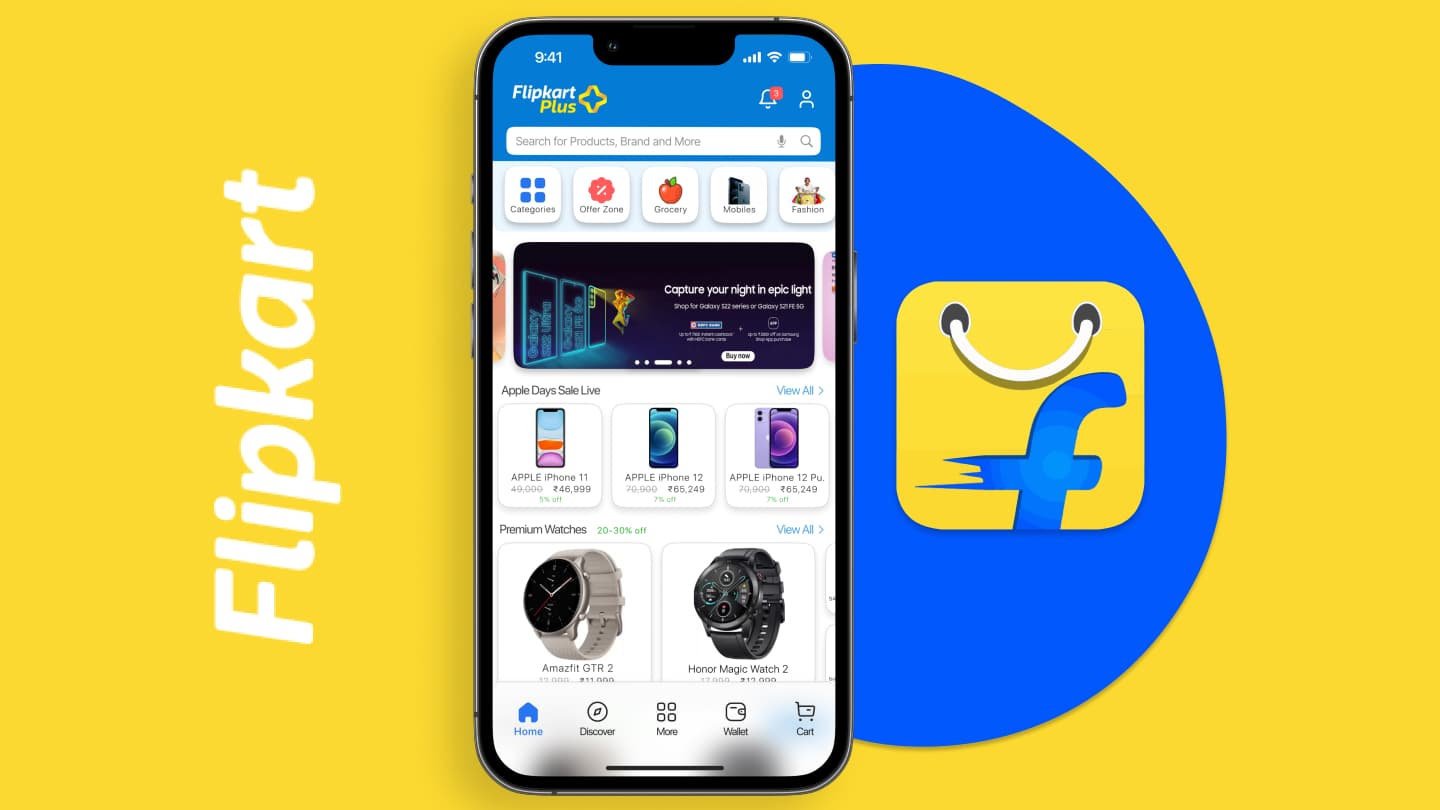
Flipkart, with over 150 million products, faces a critical discovery problem. Users often can't find what they're looking for, leading to high search abandonment rates, low conversion, and poor user satisfaction. The platform's current search and navigation systems don't effectively handle the scale and diversity of the catalog.
Key Challenges Identified
- Search Overload: Generic search returns too many irrelevant results
- Category Confusion: Products exist in multiple categories, making navigation ambiguous
- Personalization Gaps: Recommendations don't account for regional preferences, price sensitivity, and usage context
- Mobile-First Limitations: Discovery patterns designed for desktop don't translate well to mobile
- Language Barriers: Limited support for regional languages affects discoverability for non-English users
Research Insights
Through data analysis and user research:
- 47% of searches result in zero purchases
- Users browse an average of 12 pages before finding a product
- 62% of users abandon searches after 2-3 attempts
- Regional preferences vary significantly but aren't reflected in recommendations
- Voice search adoption is low due to poor accuracy with Indian accents and product names
Proposed Solution Framework
1. Intelligent Search Layer
- Semantic Search: Understand user intent beyond keywords
- Visual Search: Allow users to search by uploading images
- Voice Search Optimization: Train models on Indian accents and regional pronunciations
- Query Understanding: Parse complex queries with multiple intents
2. Personalized Discovery Engine
- Contextual Recommendations: Consider time of day, location, device, and user behavior
- Price-Sensitive Filtering: Adapt to user's price range automatically
- Regional Preferences: Surface products popular in user's region
- Lifestyle-Based Suggestions: Understand user's lifestyle from purchase history
3. Progressive Navigation System
- Smart Categories: Dynamic categories based on user behavior and trends
- Faceted Search Enhancement: Better filtering with visual previews
- Quick Filters: One-tap filters for common use cases
- Comparison Tools: Easy side-by-side product comparison
4. Discovery Moments
- Trending Now: Real-time trending products in user's interest areas
- Deals Discovery: Personalized deal recommendations
- Inspiration Feed: Curated content to inspire purchases
- Social Proof Integration: Show what friends and similar users are buying
Design Principles
- Intent Over Keywords: Understand what users really want, not just what they type
- Progressive Disclosure: Show relevant options first, reveal more as needed
- Contextual Intelligence: Adapt to user's situation, location, and behavior
- Friction Reduction: Minimize steps between discovery and purchase
Impact Projections
- 35% increase in conversion rates
- 50% reduction in search abandonment
- 28% improvement in average order value through better discovery
- 40% increase in repeat purchases through personalized recommendations
- Enhanced user satisfaction leading to better retention
Strategic Recommendations
- Implement a unified discovery platform that combines search, browse, and recommendations
- Invest in ML models trained on Indian e-commerce patterns and regional preferences
- Redesign mobile navigation to prioritize discovery over traditional category browsing
- Create a content strategy that inspires discovery beyond direct search
- Build A/B testing infrastructure to continuously optimize discovery algorithms
Key Learnings
This case study highlights how scale creates unique challenges in e-commerce. The solution demonstrates that effective discovery requires understanding user intent, context, and behavior patterns. It shows how AI and thoughtful UX design can work together to solve complex product problems.